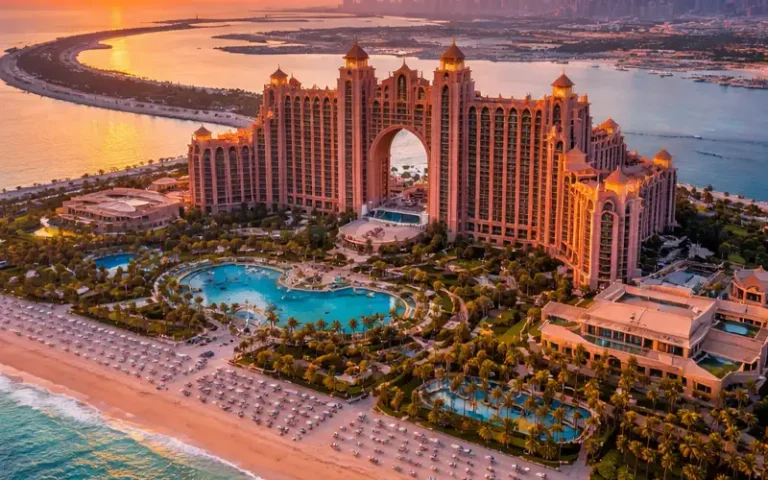
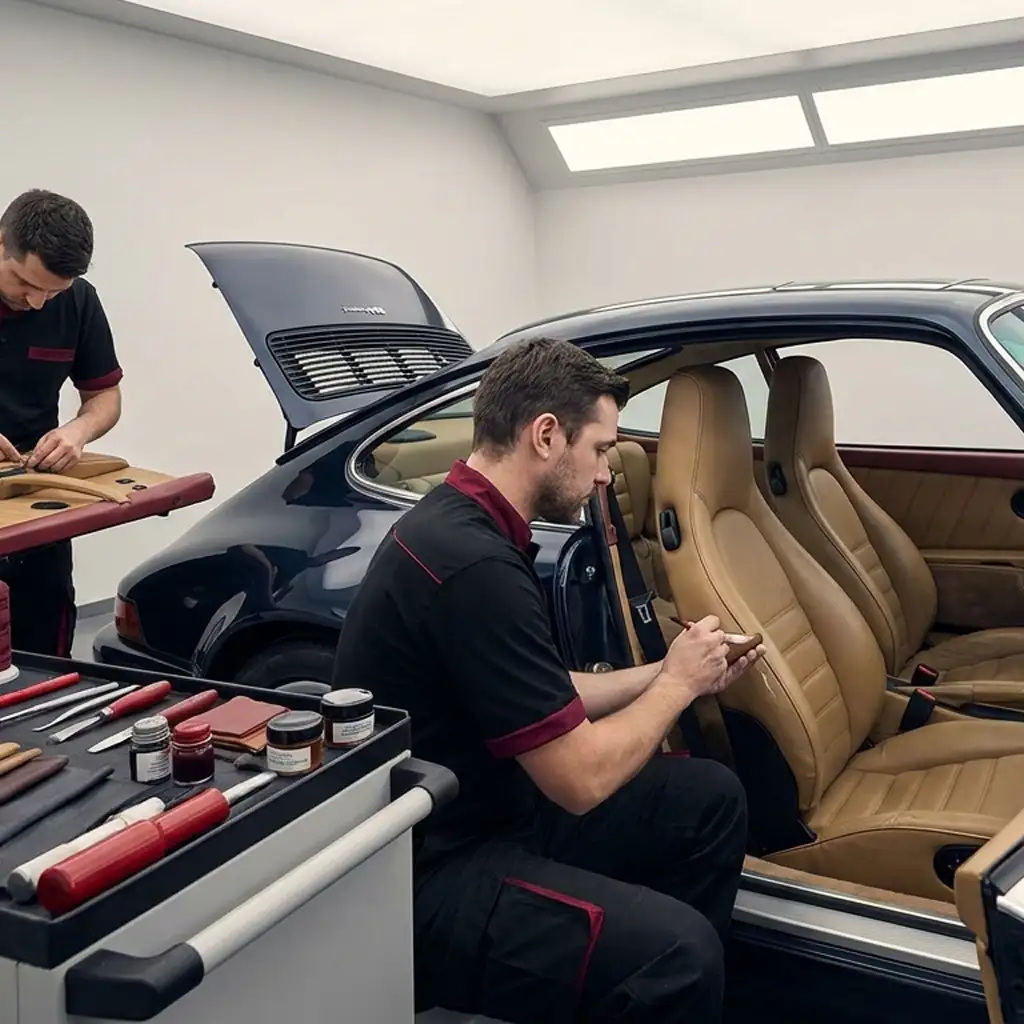
Serving District One (MBR City), covering Crystal Lagoon, District One Villas, and Meydan, with specialised German car upholstery repair for Mercedes-Benz, BMW, Audi, and Porsche. German Car Expert applies material-specific interior diagnostics and brand-matched restoration techniques to fix leather cracking, seat foam collapse, and stitching failure caused by extreme heat and low-usage storage using manufacturer-grade materials and controlled workshop conditions. No temporary patch fixes, thorough interior damage evaluation and factory-standard cabin finish recovery.
Interior upholstery repair covers all primary residential zones within District One, ensuring straightforward workshop access from villa communities and surrounding premium neighbourhoods.
Cabin-focused restoration solutions designed to recover seat integrity and interior finish quality in District One’s heat-intensive and low-usage vehicle environment.
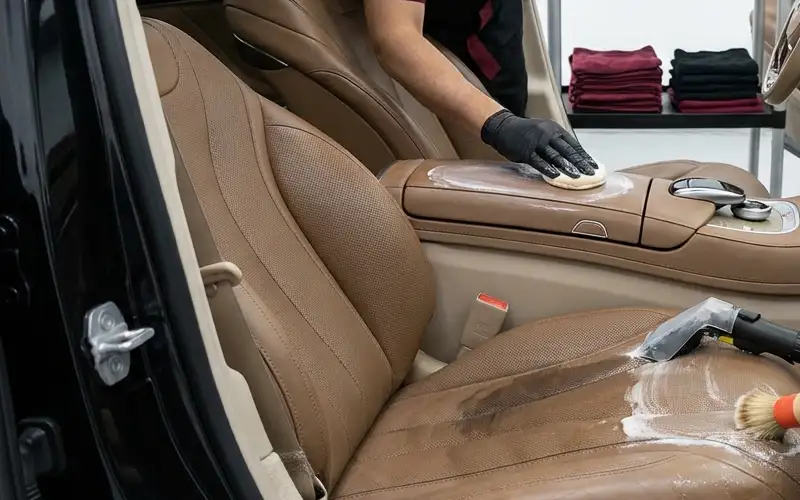
Diagnose and rebuild heat-cracked, UV-faded, and storage-damaged leather across BMW, Mercedes-Benz, Audi, and Porsche seats using grain-matched compounds and brand-specific conditioning treatments.
Rebuild compressed foam bases, collapsed seat cores, and deformed lumbar zones caused by prolonged garage storage and heat accumulation using density-rated foam grades aligned to each German seat platform.
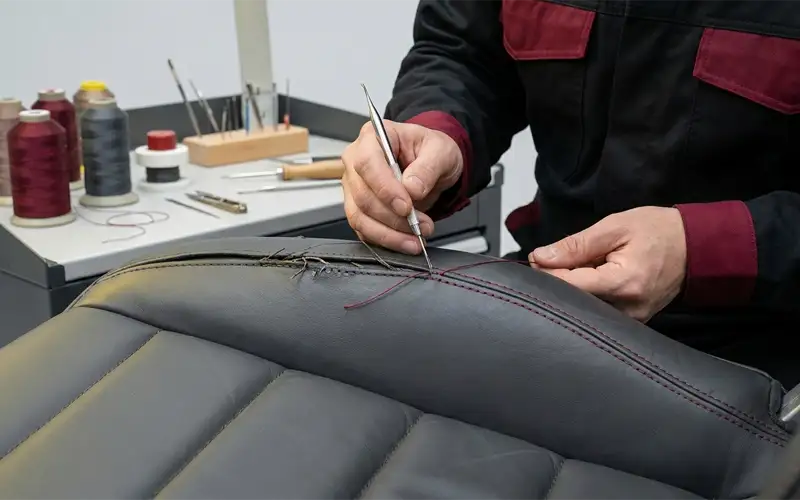
Reclose burst seam lines and unraveling thread rows on Nappa leather, Alcantara, and Merino wool surfaces using original thread diameter and tension values matched to each German interior specification.
Treat heat-lifted dashboard coverings, warped centre console panels, and UV-degraded door inserts using substrate-matched restoration materials and protective sealants suited to District One garage heat conditions.
Locate heat-driven carpet fibre breakdown, adhesive separation beneath floor layers, and headliner sag from foam backing dissolution, restoring full surface integrity and eliminating accumulated storage odour.
Leather grain condition, foam compression levels, thread integrity, trim adhesion strength, and heat penetration depth are individually assessed across every cabin zone before any restoration material is applied.
A clear breakdown of structurally necessary interior repairs versus optional refinishing work is documented with locked pricing confirmed before cabin restoration begins. No additions after assessment completion.
Deteriorated interior materials are rebuilt using manufacturer-matched compounds, finished to original grain texture and colour specification, and checked against factory interior tolerance standards before vehicle collection.


“Mercedes leather had stiffened and split across both front seat bolsters after months sitting in the villa garage. German Car Expert rebuilt the damaged zones using a grain-matched compound and the restored areas are completely invisible against the surrounding original leather.”
“BMW dashboard covering had lifted along the top edge from sustained heat buildup during storage near District One Villas. The surface was fully restored to original flatness and factory appearance.”
“Audi rear bench had three burst seam lines from years of heat cycling near Crystal Lagoon. Every stitch row was rebuilt using the original pattern without disturbing the surrounding perforated panels.”
“Porsche headliner had begun sagging at the rear from foam backing breakdown after extended garage storage. The affected zone was reattached and reinforced without replacing the full headliner assembly.”
Yes. Prolonged heat accumulation depletes natural leather moisture content, causing grain cracking, surface hardening, and dye oxidation on BMW, Mercedes-Benz, Audi, and Porsche cabin materials within 8 to 14 months of unprotected storage.
Yes. Thermal expansion and contraction cycles compress open-cell foam structures within seat bases and lumbar zones, reducing support density without producing detectable leather surface damage or visible seat cover deformation.
Yes. BMW, Mercedes-Benz, Audi, and Porsche use manufacturer-specific grain embossing patterns and dye formulations. Precision grain-matched compounds replicate original texture and colour depth to produce invisible repair boundaries where surrounding leather remains in excellent condition.
Yes. Dissolved foam particles migrate into overhead light housings, sunroof motor tracks, and curtain airbag channels, causing switch contamination, motor resistance increase, and airbag obstruction in German vehicles stored long-term in high-temperature District One garages.
Every completed interior repair is assessed against the manufacturer’s surface gap specifications. Leather colour accuracy is confirmed under standardised lighting, and foam density restoration is validated through occupant load simulation before vehicle handover.
Recover cabin material integrity and factory interior finish accuracy with precise damage evaluation and brand-matched restoration. Convenient workshop access for District One vehicles with durable interior repair built for low-usage Dubai storage conditions.